


Kickoff Advantages in Defeating Man, Single Wedge and Double Wedge Returns
By Wes Anderson
Specials Teams Coordinator
New Palestine High School (IN)
At New Palestine, we are an aggressive, up-tempo, no huddle, power spread offense, and a blitz-heavy 3-3 stack defense. When I became the Special Teams Coordinator, I wanted to bring that same aggressiveness to our special teams. We tell our kids we play fast and hard and to put a strain on our opponents on downs 1, 2, and 3, but we weren’t really doing that in the kicking game. In the other two phases, our expectation is to punish our opponents relentlessly, but then we gave opponents a bunch of hidden yards on 4th down. Why? Our defense works so hard to get off the field, why don’t we take advantage of that in the kicking game?
New Palestine is in the second-largest class in Indiana, so we play against some incredibly talented specialists, particularly kick and punt returners. We only have around 45 players on our varsity roster in a given year. With those two factors considered, the decision about who plays on specials is an easy one for us. Our best players play. We approach it with an attitude of required effort. If you won’t play hard on special teams, you won’t play at all on offense or defense. It’s what we need to do to win. Here’s a look at how we implemented this on our kickoff team.
KICKOFF
The last two seasons, we have not had a kicker with a monster leg. We have to go cover kicks. In past years, lining up five players on one side and five on the other didn’t work for us. Our best players were getting double-teamed. Wedge returns were killing us because we preached lane integrity. This past off-season we felt like we needed to make a change to get our best players a better chance of getting to the ball, not depending on the return taking the ball to them. So, we elected to let them go straight to the ball.
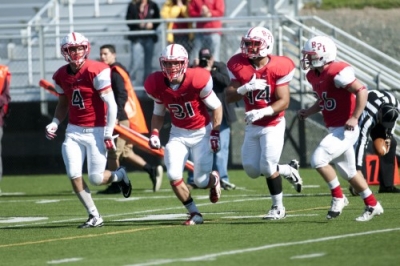
We now give our best three tacklers the opportunity to line up wherever they want, run directly to the ball, and make tackles. We call them “Hitmen.” They have no set alignment or assignment. They are encouraged to align differently on every kick so our opponents can’t account for them with the same player each time. The other 7 players on the coverage team still have a lane they are responsible for, but the other 3 are free to take whatever attack angle they deem appropriate.
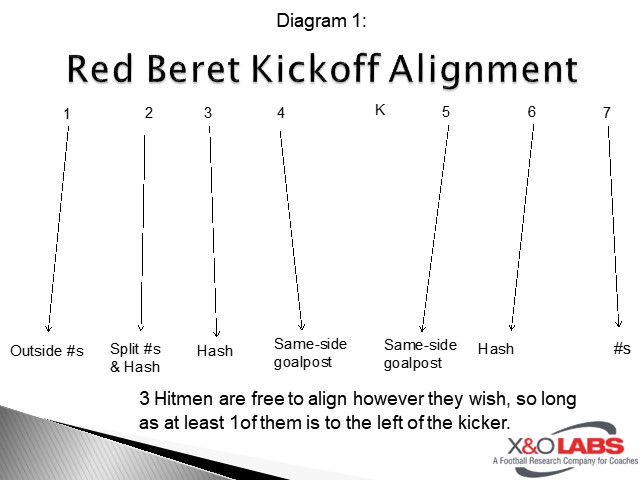
Our 7 “regular” players line up 4 yards deep instead of the traditional 5 to allow our Hitmen to move freely around the formation during the approach. Our kicker always kicks from the dead middle of the field.
We do NOT believe in safeties. Our edge players are full speed on the rundown, but smart about making sure nothing ever gets outside them.
Here are some alignment examples that I’ll talk more in-depth about throughout the course of the article:
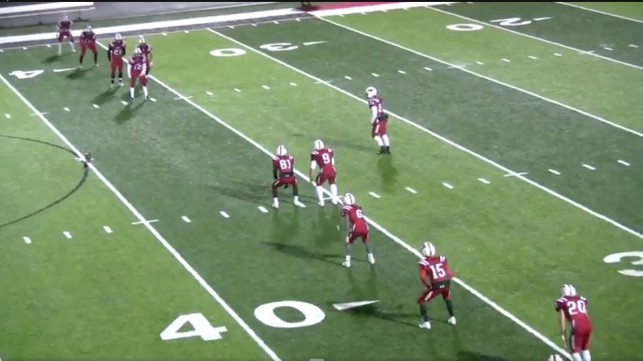
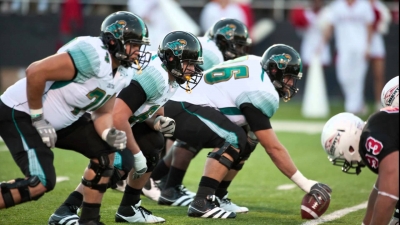
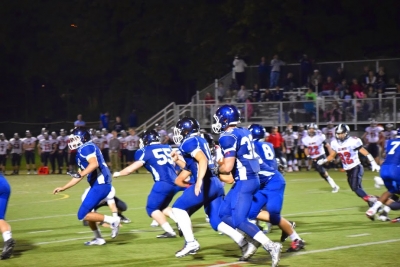
Notice how in the kickoff above, Hitmen technically represent players 4, 6, and 10 as you count from left to right. The photo below is the very next kickoff in the same game.
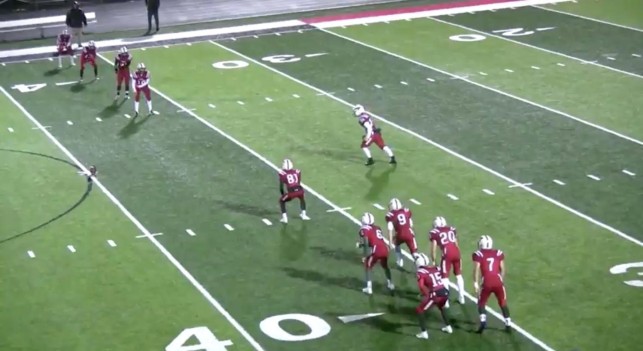
They now represent players 6, 8, and 10, which can completely change how our opponent would block them.
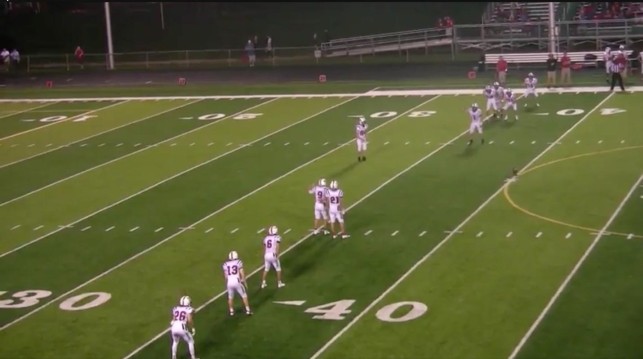
In the instance above, we have created a bunch at the top of the screen. By grouping 2 Hitmen together with one of our regular players, it becomes more difficult for a man return to sort out exactly which of the 3 players belongs to them. Against a traditional single wedge return, it forces the front line players to make difficult decisions about who gets blocked and who gets released to the wedge.
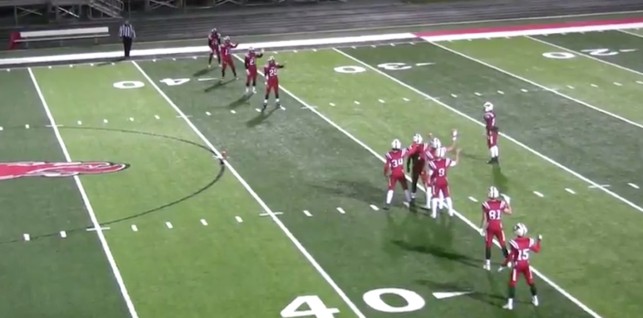
This quads-type look was particularly effective, and one that I encouraged our players to use as frequently as possible against any type of return.
In these 4 photos, you see four totally different alignments, in some cases moving freely between a 5 & 5 alignment and a 6 & 4 alignment, with little to no actual adjustment made by our coaches within the game itself.
We employ a small set of guidelines for our players to think about when we face a certain type of return. In this article, I’ll talk about the three main types of returns – full man-blocked returns, a single-wedge return with man blocking in front of it, and a traditional double-wedge with no man-blocking elements. Almost all returns will, in one way or another, fall into one of those 3 basic categories.
Man-blocked Returns
Man-blocked returns are inherently based on the return team’s ability to identify their assignment before the kick. We coach our hitmen to think about three things when they line up against a man-blocked return:
- Align in such a way that a front-line player isn’t responsible for you. If you do align as that number, align in such a way that you are too far away to be blocked by him.
- Twist or change your “pre-snap number” before the kick in order to cause confusion.
- In some cases, our opponents would assign one player on the return team to each of our hitmen and chase them regardless of their alignment. As we identify those situations in the game, our Hitmen intentionally line up as far away from that player as they can.


 It’s without question, the most important area of the field for offenses. Whether it’s referred to as the red zone, green zone or the fringe, one thing is certain, wins are determined by how successful your offense is in this part of the field. We researched several programs that are successful in the red zone to find out how they prepare for this area of the field.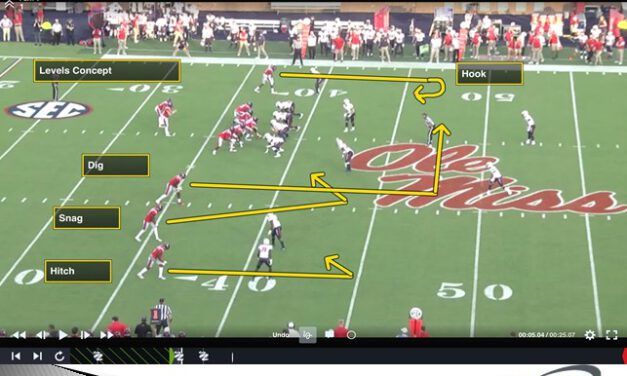
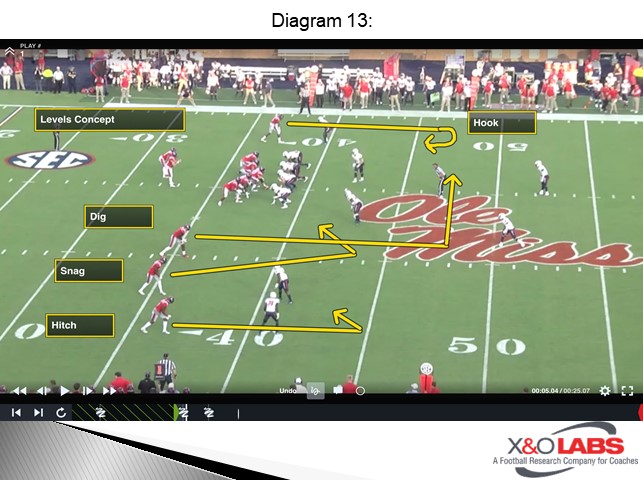
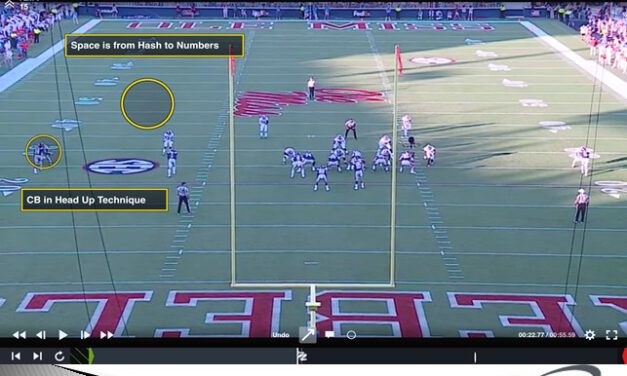
 In this case, we focused our research on how coaches were grouping formations and personnel to make them more relatable to players. We’ve found coaches can have upwards of 8 personnel groupings and over two dozen formations. We wanted to find ways in which coaches are simplifying their offensive packages to utilize as many groupings/formations as possible without jeopardizing the learning curve of their athletes.
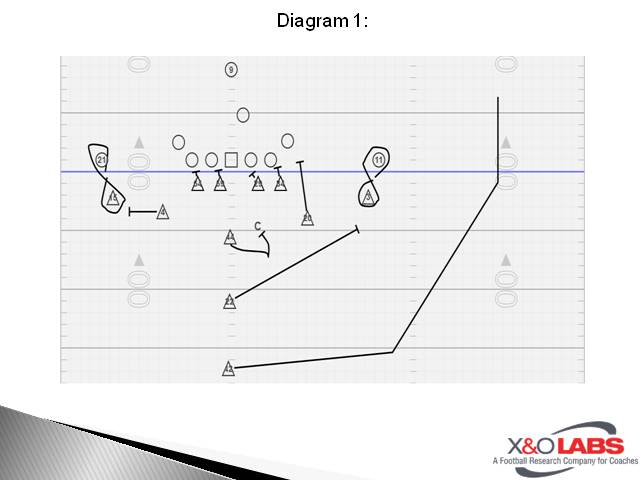
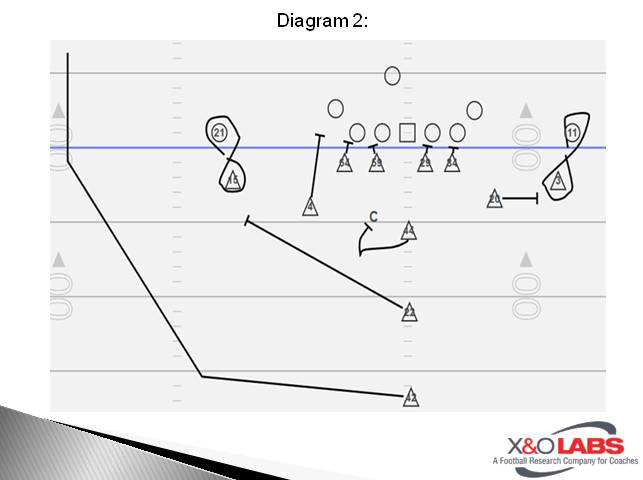
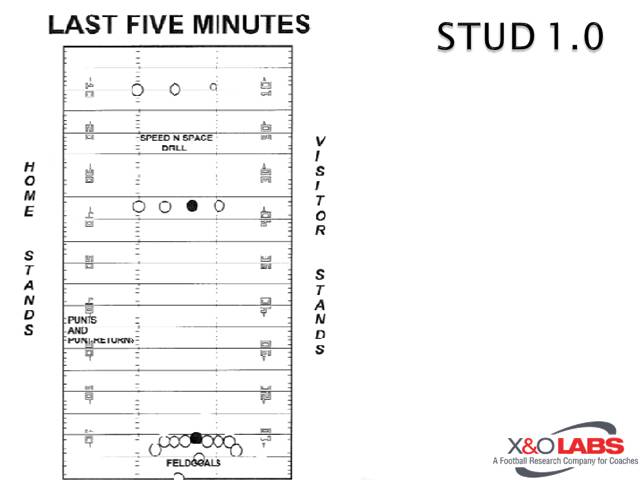
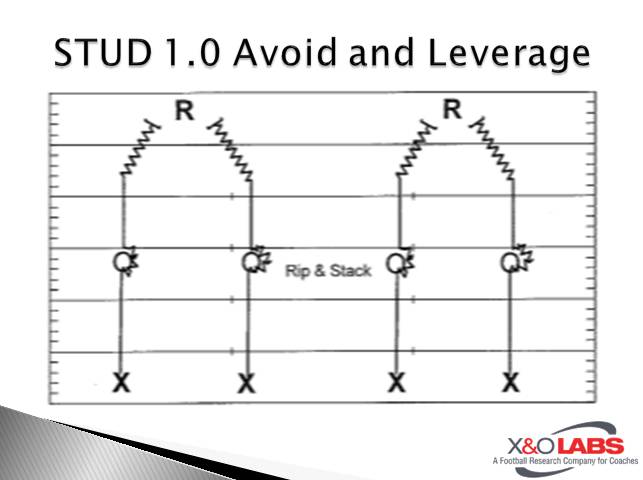
 Through very detailed drill work, STUD/STUD 2.0 allows the special teams unit to work on multiple facets of pursuit/return based special teams drills simultaneously. Players must hone in mentally on the specific coaching points that are being relayed. In addition, coaches must provide detailed and thorough direction towards the specific coaching points that will be practiced. Both players and coaches must respect spacing on the field of other drills to ensure full efficiency of STUD/STUD 2.0.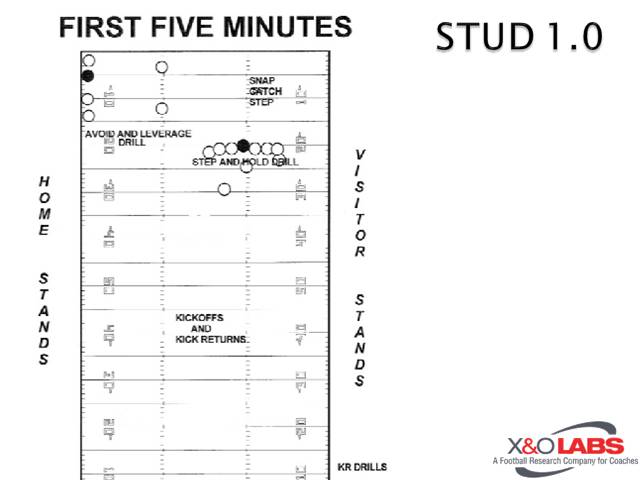
 At Wethersfield, we’ve become a three headed monster that attacks our opponents with quick passes, perimeter runs, and run/pass concepts. To counter these strengths, defenses often will try to create a numbers advantage by having defenders be responsible for a part of the run game and a part of the pass game simultaneously. It is our goal to diagnose their strategy early in the game and then use those responsibilities against them with each of the three offenses phases I mentioned above. We assess things like: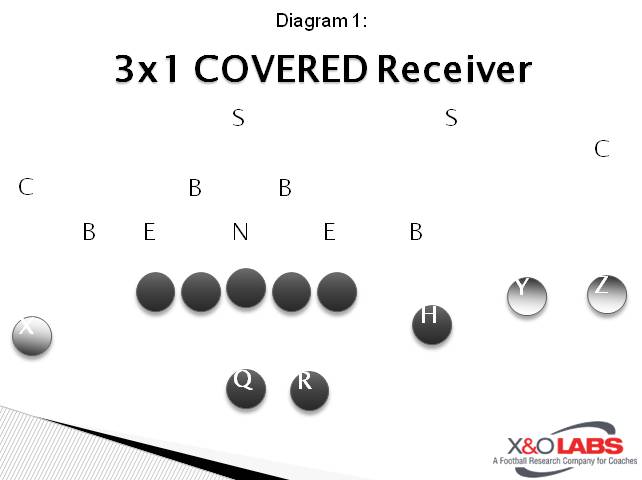
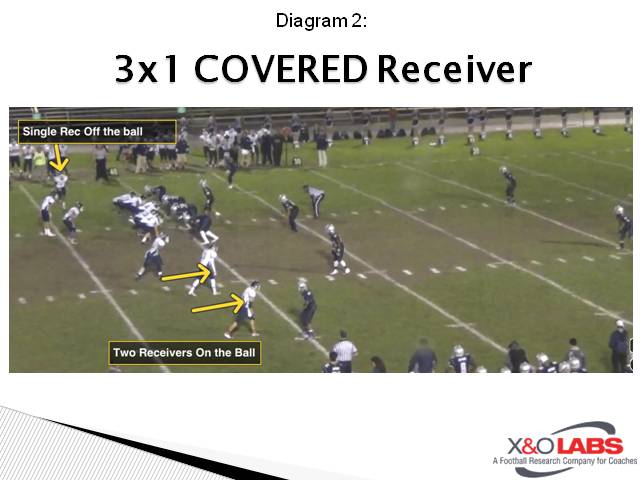
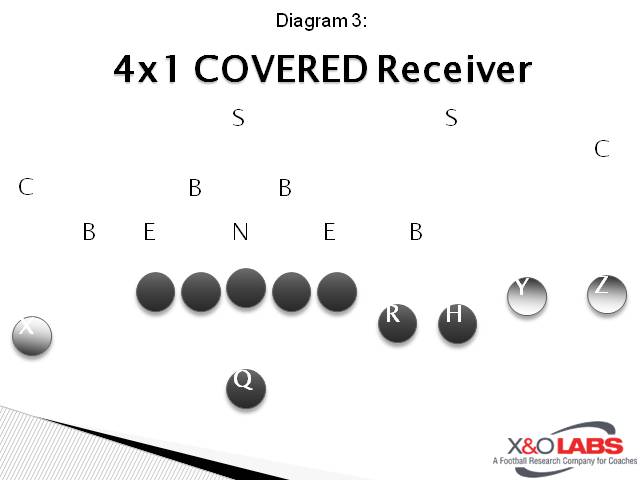
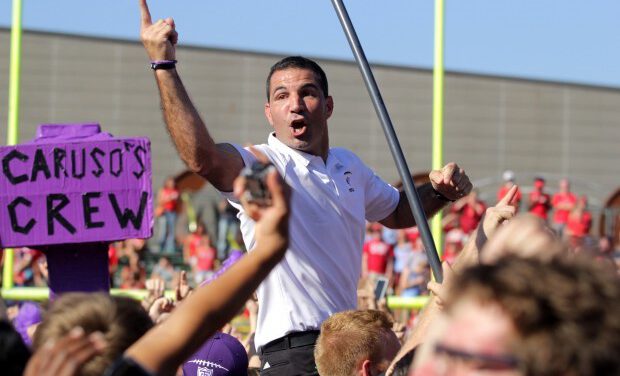
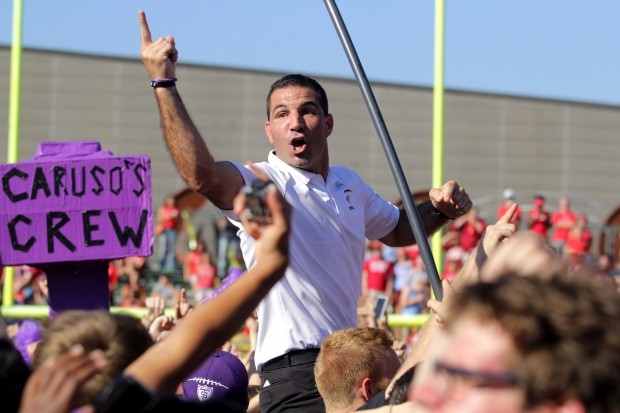
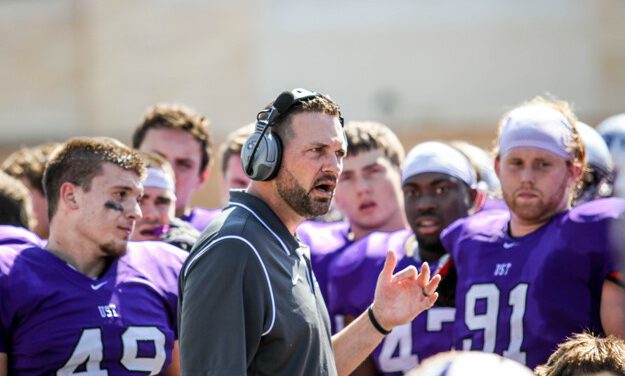
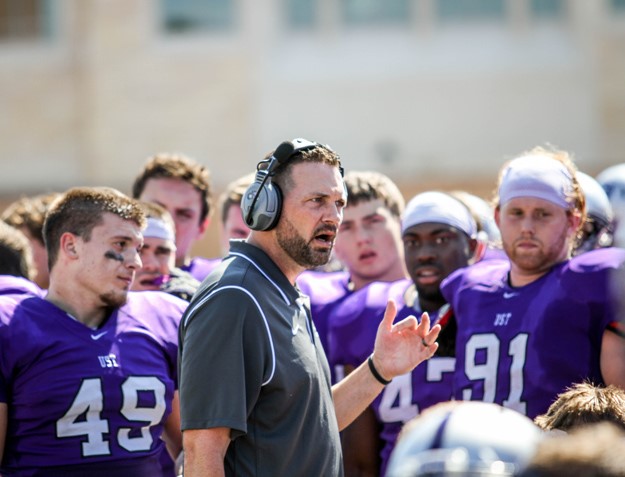 In addition to the pressure patterns used by the front seven, the responsibility of the backend to handle the coverage component of zone pressures is placed at a premium. Depending on offensive personnel and formation, many of these coverage defenders will be tied into the run fit of the pressure. While the defensive staff at the University of St. Thomas mixes and matches coverages, there is one constant pre-snap allusion: The allusion of a two high safety defense. But after the snap, all bets are off. “We are going to bring five defenders on mostly every snap, but you don’t know where it’s coming from and what coverage is tagged with it,” said defensive coordinator Wallie Kuchinski. “That’s when they [offenses] start grabbing for things that are not there.”