



Inside Zone: Case 3 – Combination Block Fundamentals and Techniques
By Mike Kuchar
Senior Research Manager
X&O Labs
Introduction
This case is focused on the techniques that are taught when combination blocking the inside zone scheme. These are used when two offensive players are responsible for blocking two defenders. Before we start to address the “how” used by coaches to teach this technique, we’ll start with how lineman are taught to identify the “who” to block.
IDENTIFYING SECOND LEVEL TRIGGER POINTS
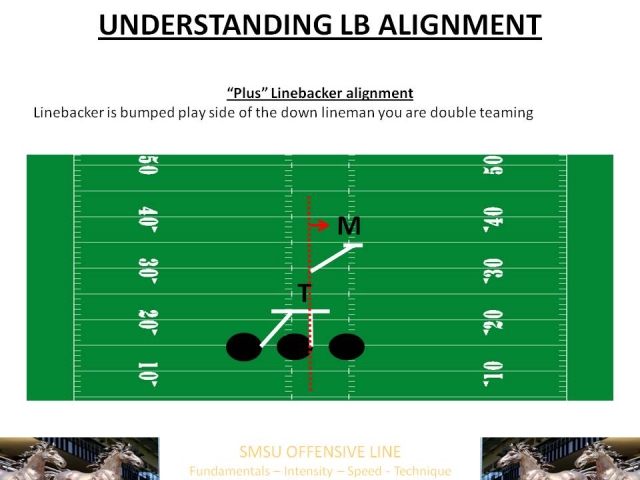
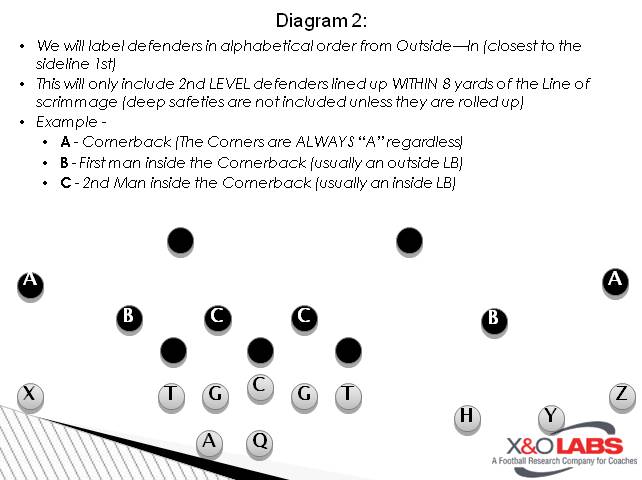
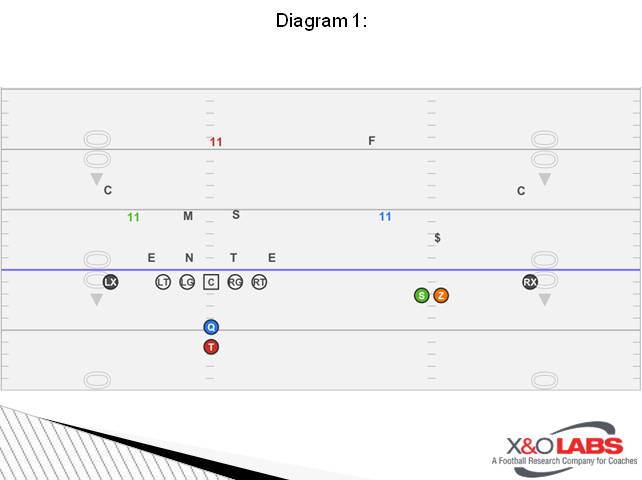
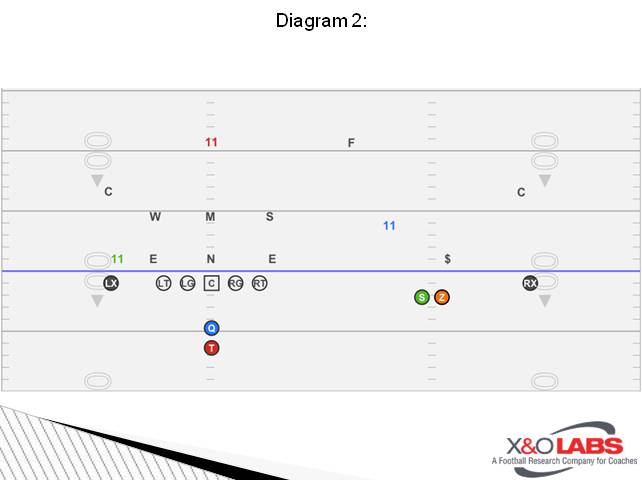
Many coaches put a premium on identifying the leverage of the second level player that the combination will be working up to. Lineman need to not only identify the linebacker they are working to, but also understand where that player is situated the footwork needed to get there. Jeremy Darveau, the offensive line coach and offensive coordinator at Southwest Minnesota State University, is one of those coaches that educate his players frequently on the location of linebackers. Darveau talks about a “Plus” and “Minus” leverage point for linebackers. A plus alignment refers to the play side linebacker being “plussed” over, which means wider from the box (Diagram 1). In this situation, Darveau schools his play side offensive lineman to expect to climb to linebacker level while he tells his backside offensive lineman to sell out to reach the down lineman because of the little chance of him climbing to linebacker depth. In order to teach the reach, Darveau uses a bucket step, which he calls six inches off the line of scrimmage and eight inches width. “We want to cover the width of the defensive lineman with the depth of the first step,” was Darveau’s coaching point. “We are going to expect more of a stretch here,” Darveau told us. “They really don’t need to get off the double team because there is a good chance that 3-tehnique will spike into the A gap and the Center will wind up taking him over. In a minus alignment (Diagram 2) the linebacker is tighter to the box. This would essentially, switch the roles of the lineman. The backside offensive lineman should now be prepared to climb to linebacker depth while the play side offensive lineman should be aggressive with his second step to get vertical displacement. In this situation, Darveau teaches more of a flat step to his uncovered offensive lineman because of the probability of getting more of a vertical, not horizontal push. Darveau’s flat step is what he calls enough of a first step to get to outside framework of covered defender. It’s an aiming point of the play side number in 7-9 inch area. “He must stay square in that situation,” said Darveau.
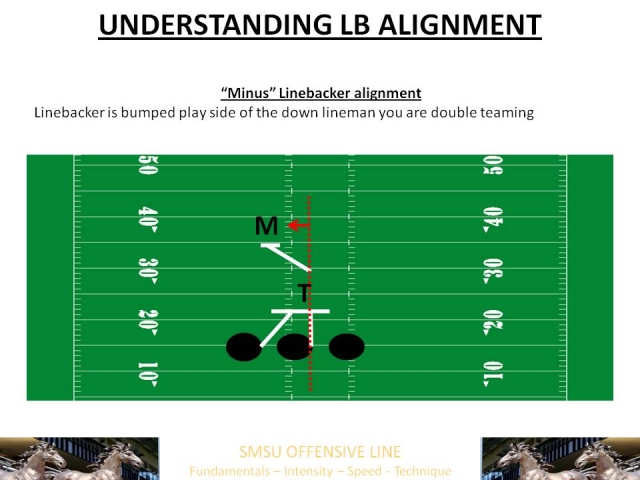
Damian Wrobleski, the former offensive line coach at Rutgers University this season, also uses an indicator system to identify linebackers in the zone run game but he uses a “thick” vs. “thin” scenario. Thick is the terminology that refers to a situation where a second level linebacker is tight to the Center, which requires the offensive lineman to get more of a piece of him. The linebacker could be either head up on the offensive lineman. “In this case, he will use more of a shoulder point and lift technique on first level defender,” said Wrobleski. A “thin” situation means the second level player is wider, requiring the offensive lineman to not get as much a piece of him. “In this case, we’ll teach the lineman to use more of a side flipper or hand just to deter him and work to linebacker depth,” said Wrobleski.
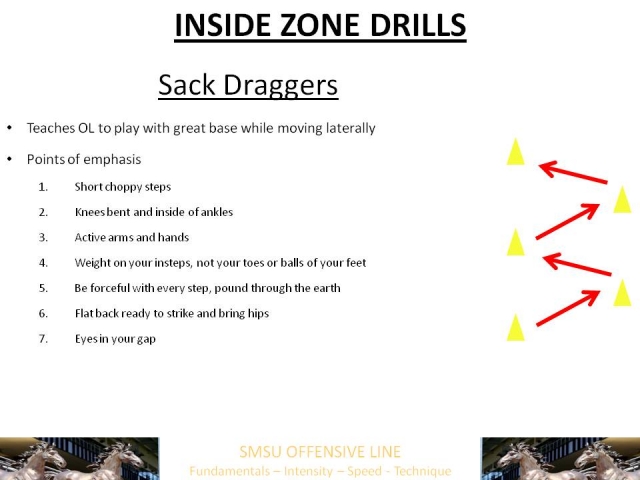
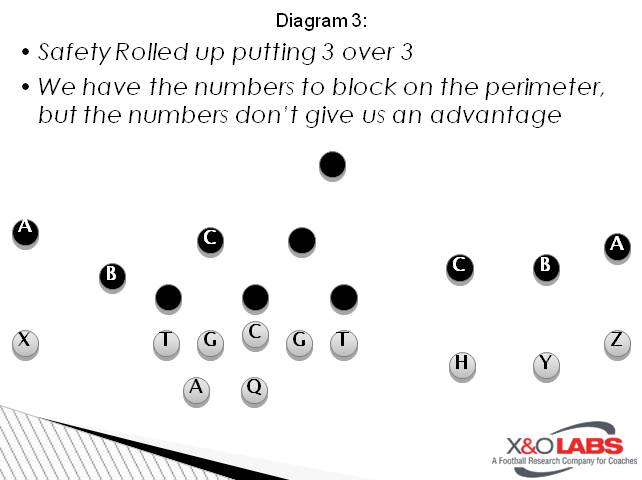
There are two main drills that Darveau uses to teach his offensive lineman block linebackers in space. One of these drills that Darveau organizes is what he calls Sack Draggers. It teaches lineman to be able to play with a great base while moving laterally. The points of emphasis of the drill are below (Diagram 3).
To see video of the Sack Draggers Drill, click on the link below:


 RPOs have been a major part of our offense for the past couple of seasons in part because of the type of QB we’ve had. This season we replaced our all-state QB with an athlete who was one of our leading receivers the previous season. A lot of time was spent in the offseason as well as the pre-season developing a game plan/offensive identity that fit our new personnel, especially in the backfield. We needed more than just the Zone Read and the Power Read to stretch the defense with our speed at the skill positions as well as our running ability with the QB.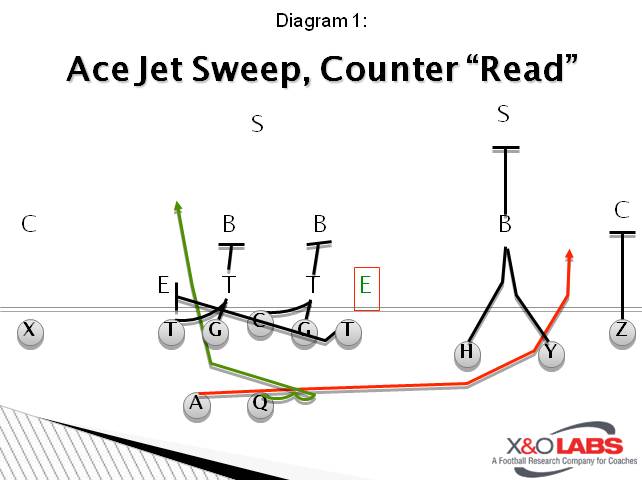


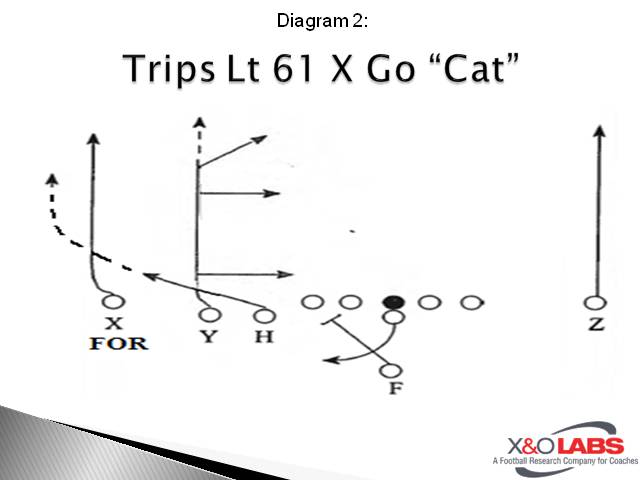
 Here at Saint Louis School, we’re a no huddle Run and Shoot offense. As part of that scheme, the majority of routes will adjust post snap. We do this to get the best routes against the coverage we face each down.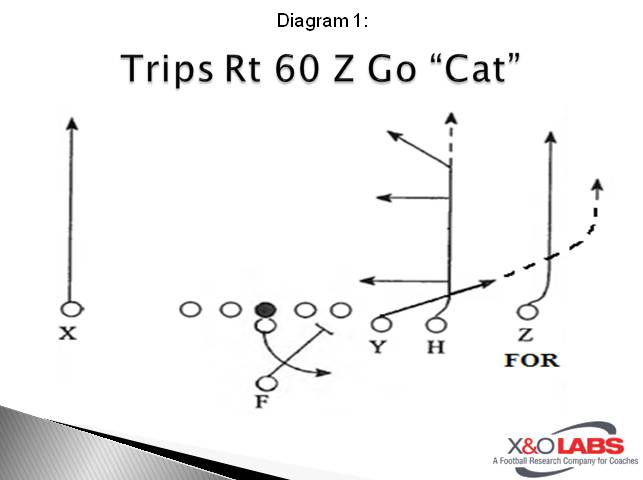
 Executing a pressure can be difficult. With all of the different pressures that we run it could become difficult for the players to know their blitz responsibilities. So, we came up with four different type of blitzers: Contain, Chase, Inside & Outside.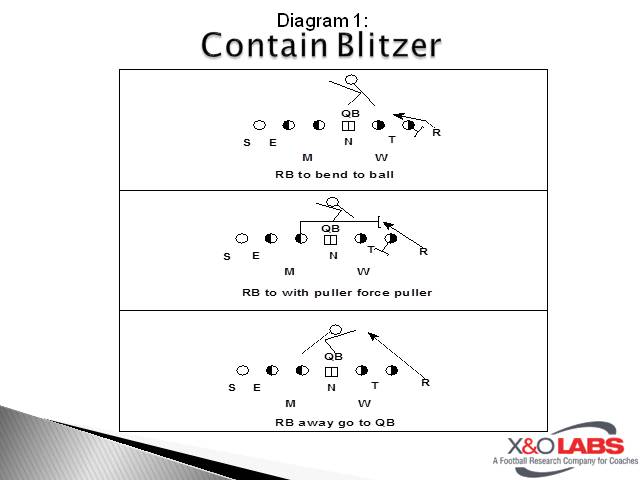
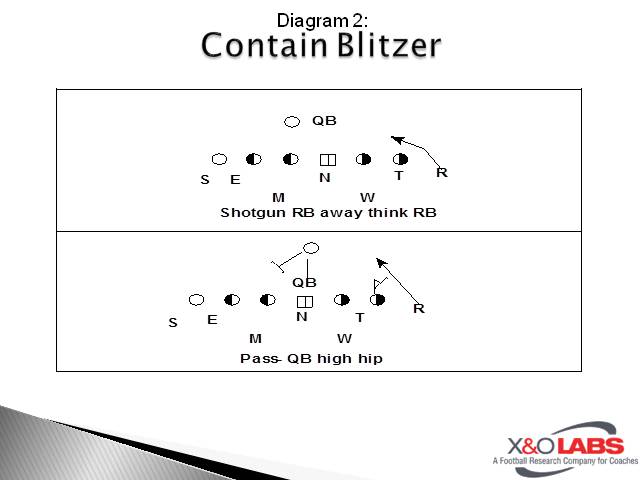
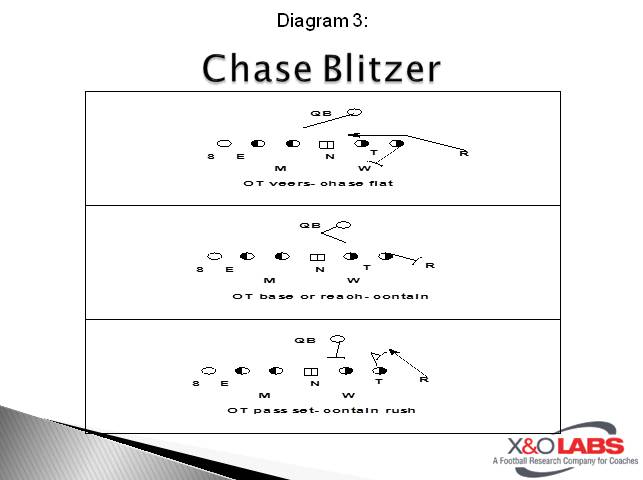

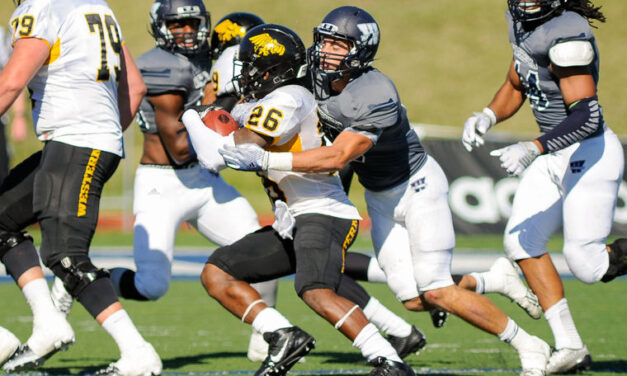
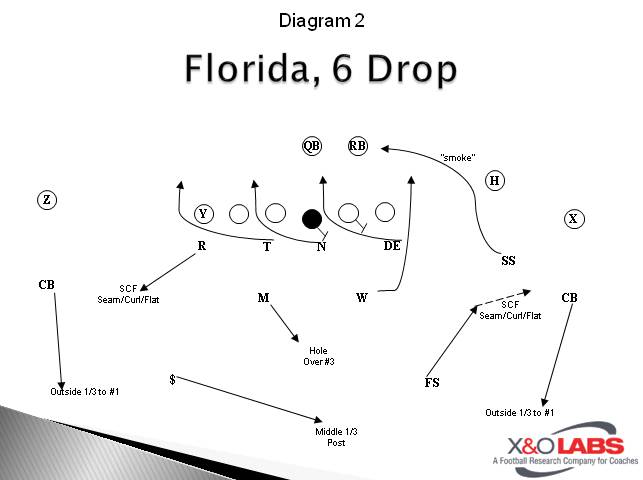
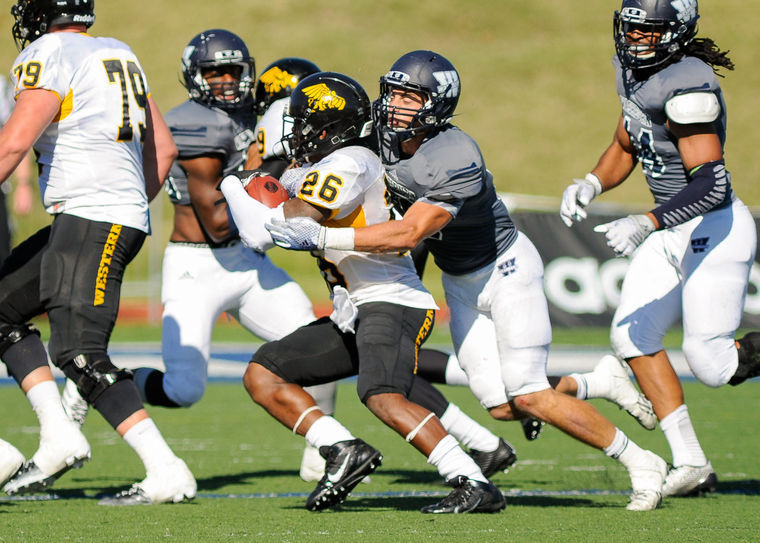 It is always important for a defense to mix up and disguise what they are doing. This is especially true when blitzing. If a blitz is given away early or executed too late, its effectiveness will most certainly be lost. We mix in all kinds of blitzes in our defensive package. We will bring anywhere from 4-7 guys, as well as changing up the coverages behind those blitzes. We feel that you must switch up the coverages to be effective.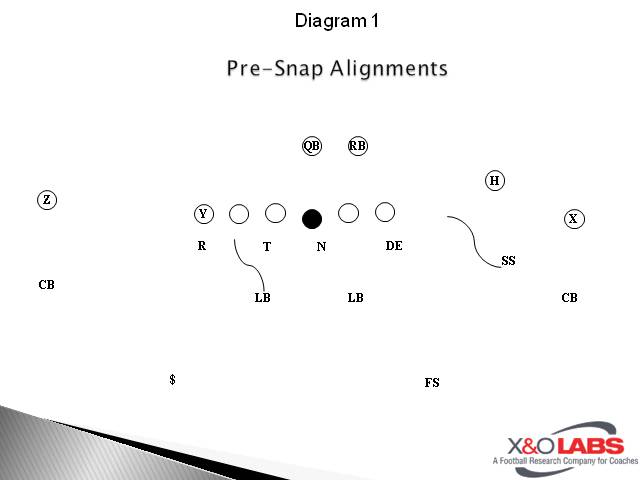

 A great deal of Virginia Union’s recent success and resurgence can be attributed to the emphasis they have placed on improving their passing game. That emphasis paid off this season as the Virginia Union Panthers finished 8-3 capturing an invitation to the D-2 playoffs for the first time in 24 years. The Panthers offense has also set several new school records over the past two seasons.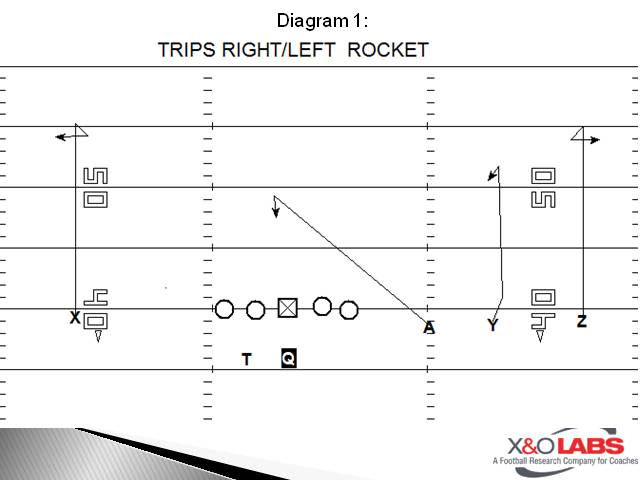

 Editor’s Note: The following research was conducted in part of XandOLabs.com special report “The Run/Pass Option” study, which can be accessed by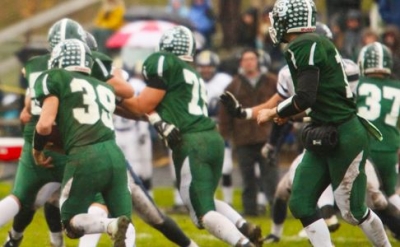
 There are differences and similarities between combination blocks and double teams for offensive linemen. Regardless of your offense (Spread, Pro-style, Wing T), or your offensive line schemes (Man, Zone, Gap) you will inevitably have scenarios where two offensive linemen are engaging with one defensive lineman and working to a linebacker. Combination blocks are most often associated with zone blocking schemes, but they occur in almost every scheme you could run.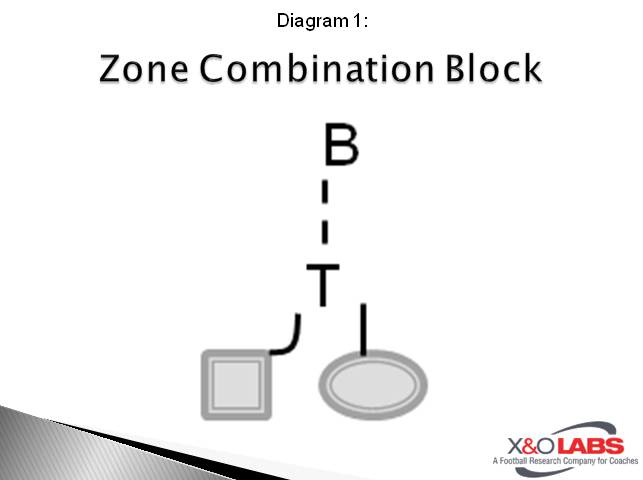
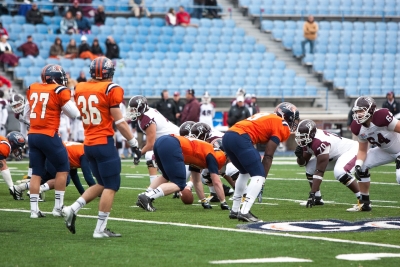
 If you operate out of the 4-2-5 defensive structure than you know how vital it is to get those two box linebackers trained on their keys. In most cases, you’re playing with six in the box (an unloaded box), so you need to rely on the perimeter defenders to add on to the run game to get a plus one defender against quarterback runs. But how you choose to fit your defenders relies on several components, including offensive formation, coverage structure and field/boundary protocol. Here at X&O Labs, we wanted to conduct comprehensive research on how linebacker coaches were teaching their players to fit the one-back run game out of the 4-2-5 defense. And what we found were three common threads among our research: