



Veer/Midline Case 2: Interior / Exterior Blocking
By Mike Kuchar – @MikeKKuchar
Senior Research Manager
X&O Labs
 Introduction
In this case, we will present our research on some of the varying blocking techniques coaches are using to block the midline and veer concepts. Like many other option principles, the core roots of the blocking system are sacred and we’ve found the majority of coaches still abide by those rules. But as the system continues to develop, there is a faction of coaches still finding ways to tweak some blocking assignments to get the most production out of the offense. It was our intent to find those coaches through our research and present what they are doing differently.
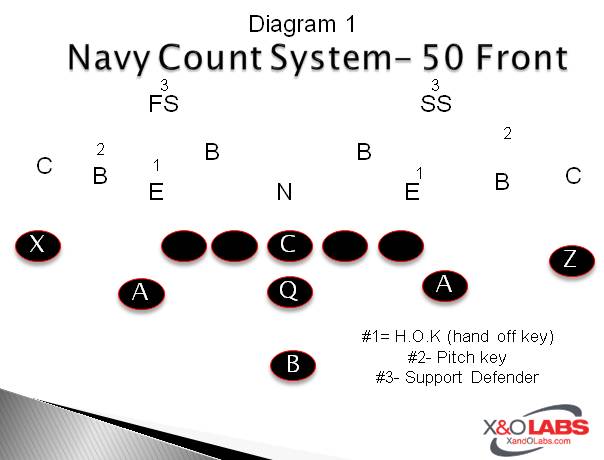
But before we do that, we felt it was important to convey the grass roots of the system and there is no better way to do that than to give attribution to the Naval Academy, one of the forefathers of the option offense. The Naval Academy started its option premise on a count system, one that basically entails reading number one and pitching off number two. For all intents and purposes, those numbers can change based on the scheme- midline or veer.
In the midline option, those numbers are as follows:
Number 1- The first level defender in the play side B gap. Or as some coaches referenced it, the down lineman touching the Guard.
Number 2- The first or second level defensive player outside of number one.
Now, truth be told, the midline scheme is usually a double option concept. The facts is 55.8 percent of coaches rarely or never use the pitch phase in midline option. Only 35.2 percent of coaches will use it sparingly. But we have found coaches that do utilize a midline triple concept and we will present their ideas later on in this case.
In the veer or triple option concept, the numbering system is as follows:
Number 1- The first level defender in the play side C gap or as some coaches referenced it, the down lineman touching the Tackle.
Number 2- The first or second level defender outside of number one.
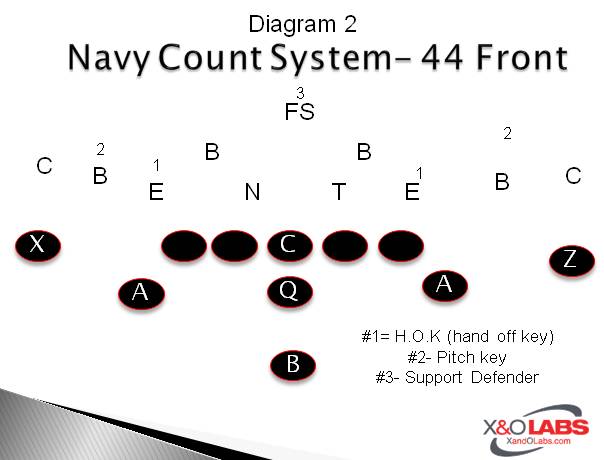
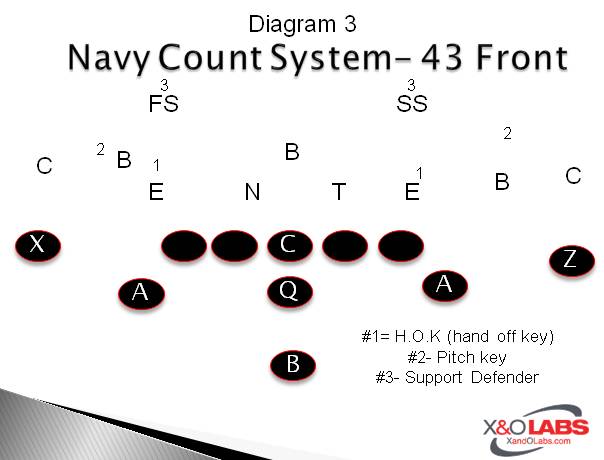
Of course, those numbers can change based on defensive structure. But if we’re talking about grass roots here, the following is the count system Navy used (and still uses today) in its option system. Below is an example of the count system, straight from Paul Johnson’s playbook, on how Georgia Tech identifies several different defensive structures.
50 DEFENSE
44 DEFENSE (8-MAN FRONT)
43 DEFENSE
33 DEFENSE
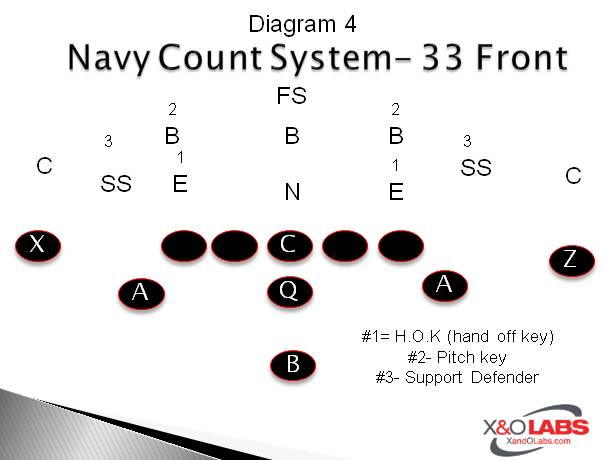
As mentioned previously, this can be altered based on game plan and personnel. We will present how some coaches are manipulating the system to their advantage later on in the report. For example, some coaches prefer to run midline to a 2i or 2 technique (which would be an A gap defender, not a B gap defender) and some coaches prefer to run inside veer to a 3-technique (which would be a B gap defender, not a C gap defender).
Offensive Line Splits
Option football is synonymous with large line spits and reason is simple- they want to gap you out as far as you will allow them to. This opens up run lanes inside for the dive back. In fact, our research has shown that the majority of coaches- 54.5 percent- choose to use three-foot splits along its front in the option game. Only 18.7 percent of coaches use the traditional two-foot split layout most common among offensive lines in other systems. Rob Harris, the head coach at Broadneck High School (MD) actually will expand his offensive line splits up to 3.5 feet depending on the concept. “ We run 56 percent of the time and throw 44 percent and only gave up 14 sacks this year with these splits in 11 games,” Harris told us. So the benefits of wider splits not only help in the run game but in the pass game as well.



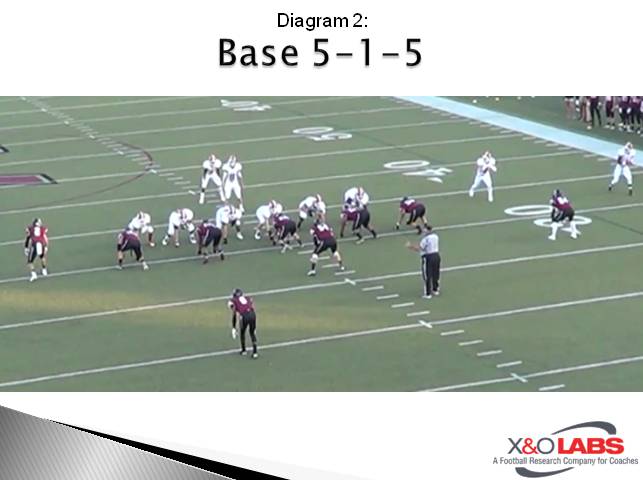
 The concept of the 5-1-5 defense is a run stopping package that we used off of our base 4-2-5 defense. This concept was born out of the necessity to stop the run heavy oriented teams while staying true to our 4-2 principles. What we found was substituting a DL for a LB or safety type body allowed us to stay solid in the run while still being flexible in the passing game. The result was a system where we could run all of our 4-2-5 coverages and get pressure with our most athletic players all out of a 5-1 front.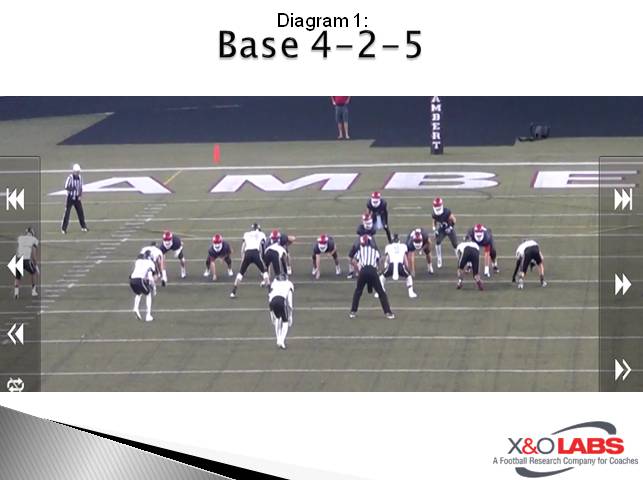
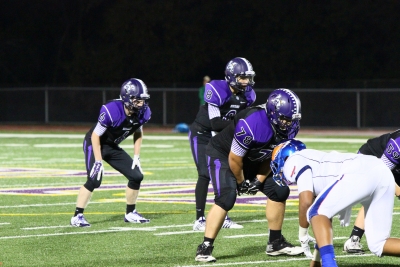
 The jet sweep has been a big part of our offensive package for years. As teams become more accustomed to how we ran the play, they began to use running back alignment and the paths of the offensive linemen to get a jump on our jet sweep. Since the jet sweep is a fast flow play, they were now more quickly getting to the outside on us with fast flow from their linebackers and decreasing the effectiveness of the play.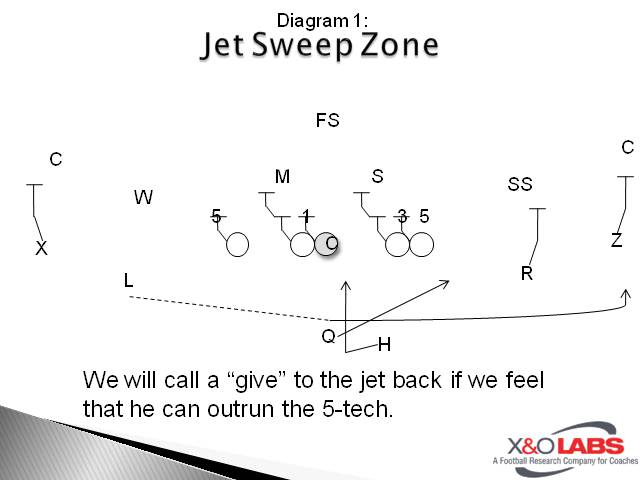
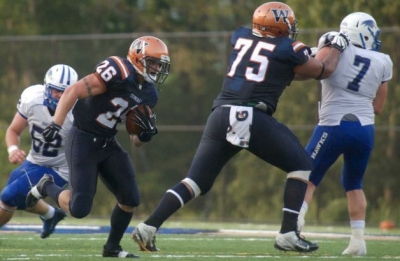
 Fellow coaches always ask, “What type of offense do you run at Western Connecticut?”

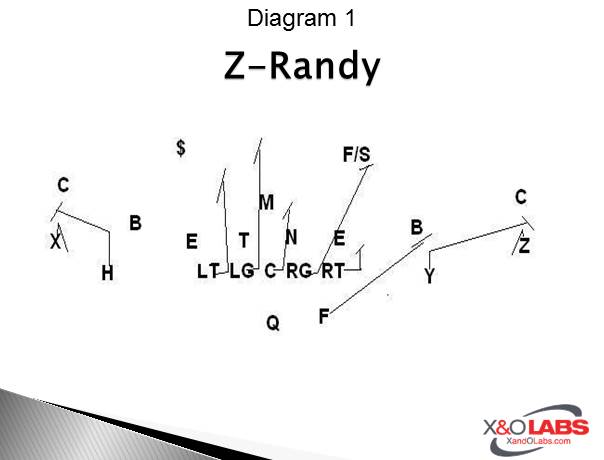
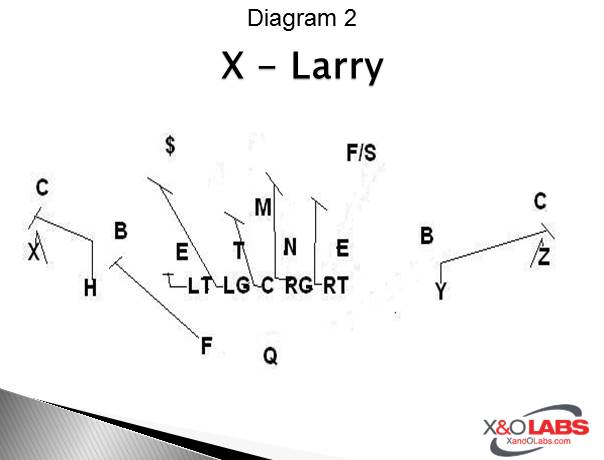
 While the idea of giving your quarterback the freedom to run your offense might scare most coaches, especially if they have a young quarterback, it is something I believe they can handle. I’m not talking about giving them the ability to audible when they want or to change our play call to any play that they think might work. I’m talking about giving them the tools to manage the plays called to optimize our success and to allow them a few basic play call changes when we see specific looks. It is crazy to think that we are always going to call the correct play, to the correct side, and against the correct front or coverage. No matter how much we scout and how many tendency reports we work through, we still have to understand that when the game starts, we are on the sideline and the quarterback has the best view of what the defense is doing.
 In this day in age, offenses try to get as many talented and fast athletes on the field as possible. It is my belief that in order to keep pace with these offenses, the defenses must have just as many fast athletes on the field. Our 3-4 defense allows us to do just that while we rely heavily on disguising blitzes to attack protections and complicate the QB’s pre-snap read.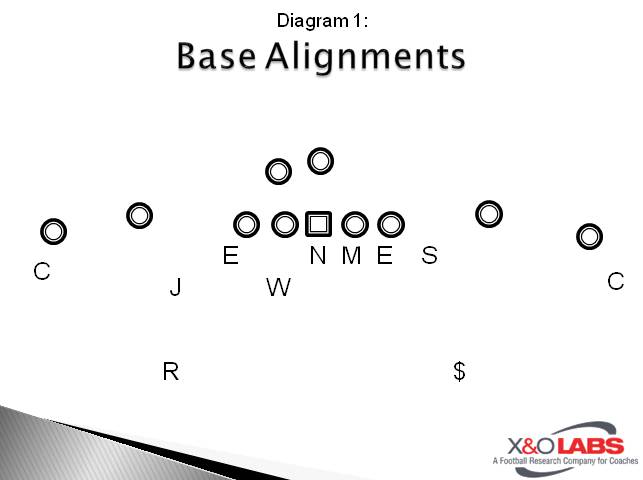

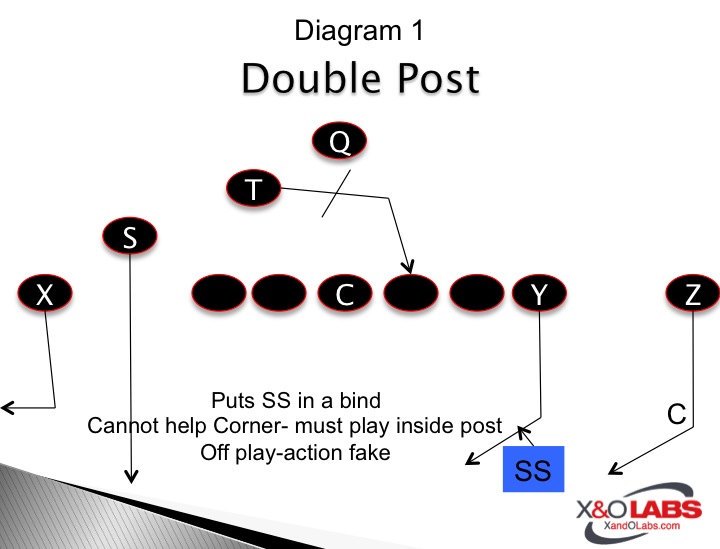
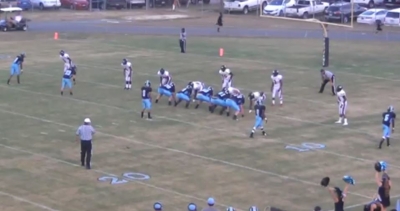
 The four vertical scheme has always been one of our favorite route combinations, but we have always wanted to find ways to make it more flexible. We like the ability to attacking the deep hashes and the middle of the field, but at the same time we wanted the comfort of the short game when the defense is playing soft. Our answer was a modified hitch seam concept.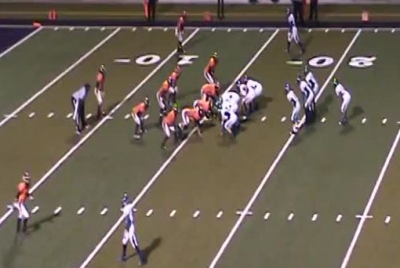
 We are a 3-5-3 defense in our base alignment. The reason for this is that it’s easy to teach from junior high and add in the elements and aspects that we need before high school. It allows us to have success in all levels without sacrificing losing for trying to teach kids how to understand the elements of football. It’s much easier to go ahead and have 8 men in the box at a junior high level than it is to try to teach a free safety or strong safety to play downhill and also cover the pass.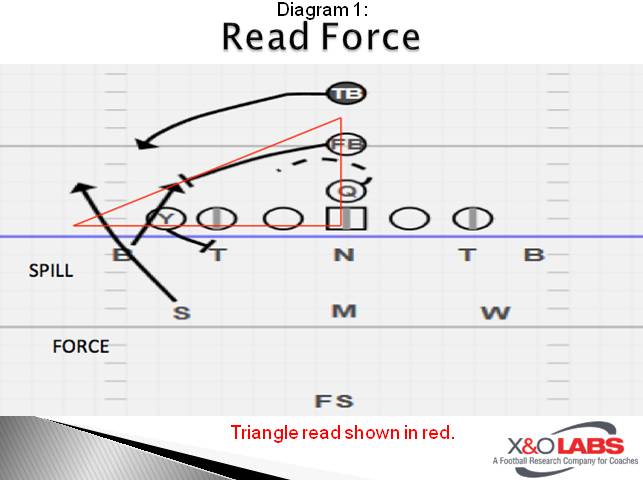
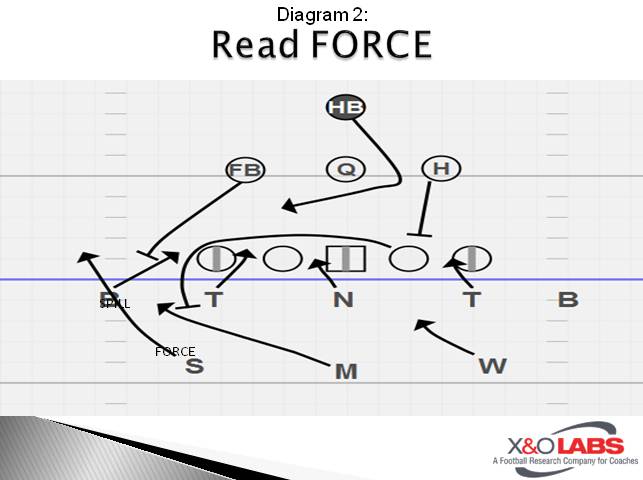
 The importance of a workable 3rd down defensive package cannot be overstated. If you play good defense on first and second down and you can get an offense in a third and medium to long situation, you must be able to get off the field a majority of the time. We have found that our 3rd down package gives us a good chance to get our defense off the field and to give our offense a chance to score points.